Writing
Who and Why?
Who are you, and why are you here?
Respond to any of the challenges below for monthly prizes, publication, and exhibits.
MONTHLY AWARD WINNERS PHASE 1 AWARDS LETTERPRESS PRINTS
Writing
Who are you, and why are you here?
Writing
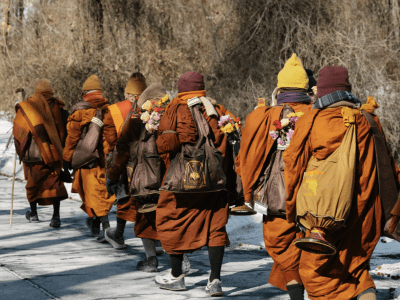
Share your thoughts about the Buddhist monks who walked from Texas to Washington — 2,300 miles over 108 days — to raise awareness about peace and compassion.

Writing
Poetry steps in where uncertainty and chaos take root. Poetry lifts us up and moves us forward with determination. Explore these poems of hope and resilience. If you are inspired, share your own.
Writing
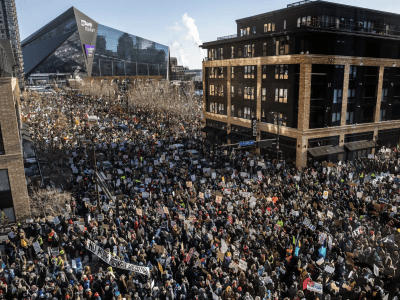
Thousands of people filled the streets of Minneapolis on Jan. 23, peacefully and in sub-zero weather, to protest against ICE and show solidarity with their neighbors. The next day, federal agents killed a second Minnesotan. Share your thoughts.
Writing
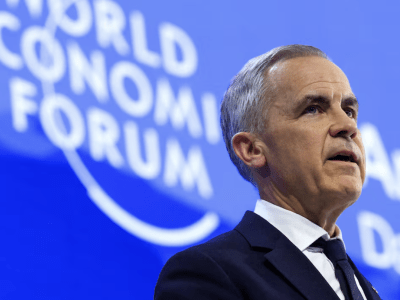
Canadian Prime Minister Mark Carney received a standing ovation in Davos, Switzerland on Jan. 20 when he called on fellow smaller nations to join together for a more cooperative, resilient world to counter the rupture in the international order.

Visual Art
How do you celebrate and stand up for human rights through art? In photography, painting, sketching, digital art, or another medium of your choice, send a powerful message through your art.
Writing
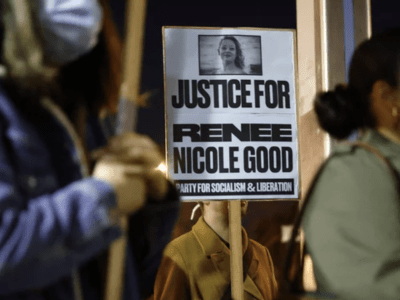
Renee Nicole Good was fatally shot by an ICE agent in Minneapolis on Jan. 7. Will there be "Justice for Renee?" as the protest signs demand? What are your thoughts about this tragic incident and ICE's presence in U.S. cities?

Writing
"Today we are committed to a worldwide struggle to promote and protect the rights of all who wish to be free."
— President John F. Kennedy, June 11, 1963
Writing
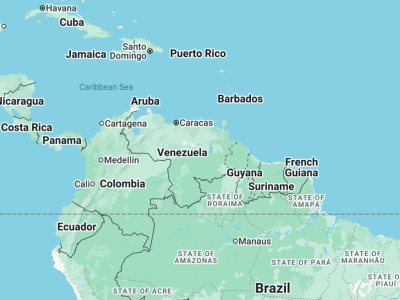
What is your opinion on the Trump administration's decision to attack Venezuela, apprehend its president, and "run" the country?

Visual Art
Illustrate the concepts of home, community, and inclusion.
Writing
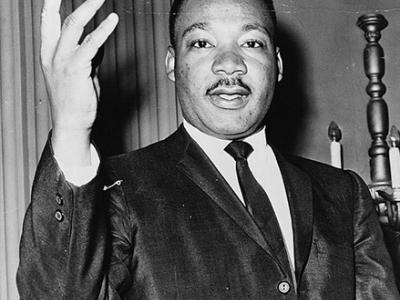
"Darkness cannot drive out darkness, only light can do that. Hate cannot drive out hate, only love can do that." Respond to this 1963 message from Dr. Martin Luther King, Jr., as it relates to America today.
Writing
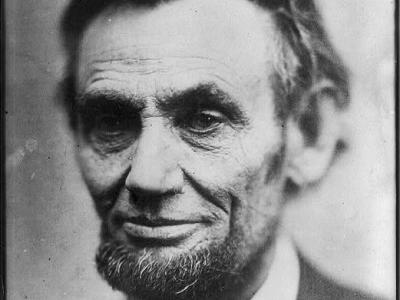
On Jan. 1, 1863, President Abraham Lincoln signed the Emancipation Proclamation, declaring freedom for enslaved Black people in the rebelling states. It didn't end slavery across the nation, but it began a new day for freedom. Consider the impact.